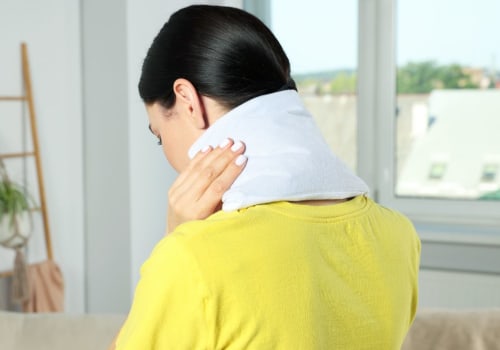
Neck pain is often associated with physical factors such as muscle tension, posture, repetitive movements, injuries, or prolonged periods of sitting, but the experience can also be influenced by emotional and psychological factors. Stress, worry, and poor sleep may contribute to muscle tension and make discomfort feel more difficult to manage. Understanding the connection between the mind and body can therefore provide a broader perspective when developing strategies for neck pain relief. This does not mean that pain is imagined or purely psychological. Instead, it recognizes that physical sensations and emotional experiences can influence one another, creating patterns that may affect comfort, movement, and daily functioning.
Recognizing the Role of Stress
Stress can affect the body in several ways, including increased muscle tension and changes in breathing patterns. Some people unconsciously tighten their shoulders or neck when they feel anxious, concentrate for long periods, or respond to demanding situations. When this tension continues, it may contribute to discomfort or make existing neck pain more noticeable. Identifying situations that appear to increase tension can be a useful first step toward addressing the problem. Simple strategies such as taking regular movement breaks, practicing controlled breathing, adjusting posture, and incorporating relaxation periods into the day may help individuals become more aware of how stress affects their physical comfort.
Supporting Physical Recovery
A mind-body approach does not replace appropriate physical evaluation or treatment. Persistent, severe, or unexplained neck pain should be assessed by a qualified healthcare professional, particularly when it follows an injury or occurs alongside concerning symptoms. Depending on the underlying cause, treatment may involve physical therapy, exercises, ergonomic adjustments, medication, or other clinically appropriate approaches. Gentle movement and strengthening exercises may help improve mobility and function when recommended by a healthcare professional. Combining physical strategies with attention to stress and daily habits can create a more comprehensive approach to recovery and help individuals identify factors that may be contributing to recurring discomfort.
Connecting Emotional and Physical Well-Being
Living with persistent pain can also affect mood, sleep, concentration, and overall quality of life. When discomfort interferes with normal activities, individuals may become frustrated or concerned about whether symptoms will improve. These emotional responses can sometimes contribute to increased muscle tension and heightened awareness of pain. Addressing emotional well-being alongside physical care can help individuals develop healthier ways to respond to discomfort. When appropriate, professional resources such as Cabot Psychological Services Minneapolis MN may provide additional psychological support for people experiencing stress or emotional challenges related to persistent pain. This type of support can complement physical care by helping individuals develop practical coping strategies.
Developing Sustainable Habits
Long-term improvement often depends on creating habits that support both physical and emotional health. Maintaining an ergonomic workspace, changing positions regularly, getting adequate sleep, staying appropriately active, and making time for relaxation can all contribute to a healthier routine. Mindfulness and breathing exercises may also help individuals notice tension earlier and respond before it becomes overwhelming. The goal is not to eliminate every source of stress or guarantee that pain will never return, but to develop strategies that support resilience and daily functioning. By recognizing the relationship between physical sensations, emotional experiences, behavior, and lifestyle, individuals can take a more comprehensive approach to neck pain management. Combining appropriate medical care with healthy routines and emotional support can help promote greater comfort, confidence, and quality of life over time.